Why I'm Keeping Field Notes
Field notes are written in the middle of the work, not after it's finished. Here's why I'm keeping them, and what I'll be writing about.
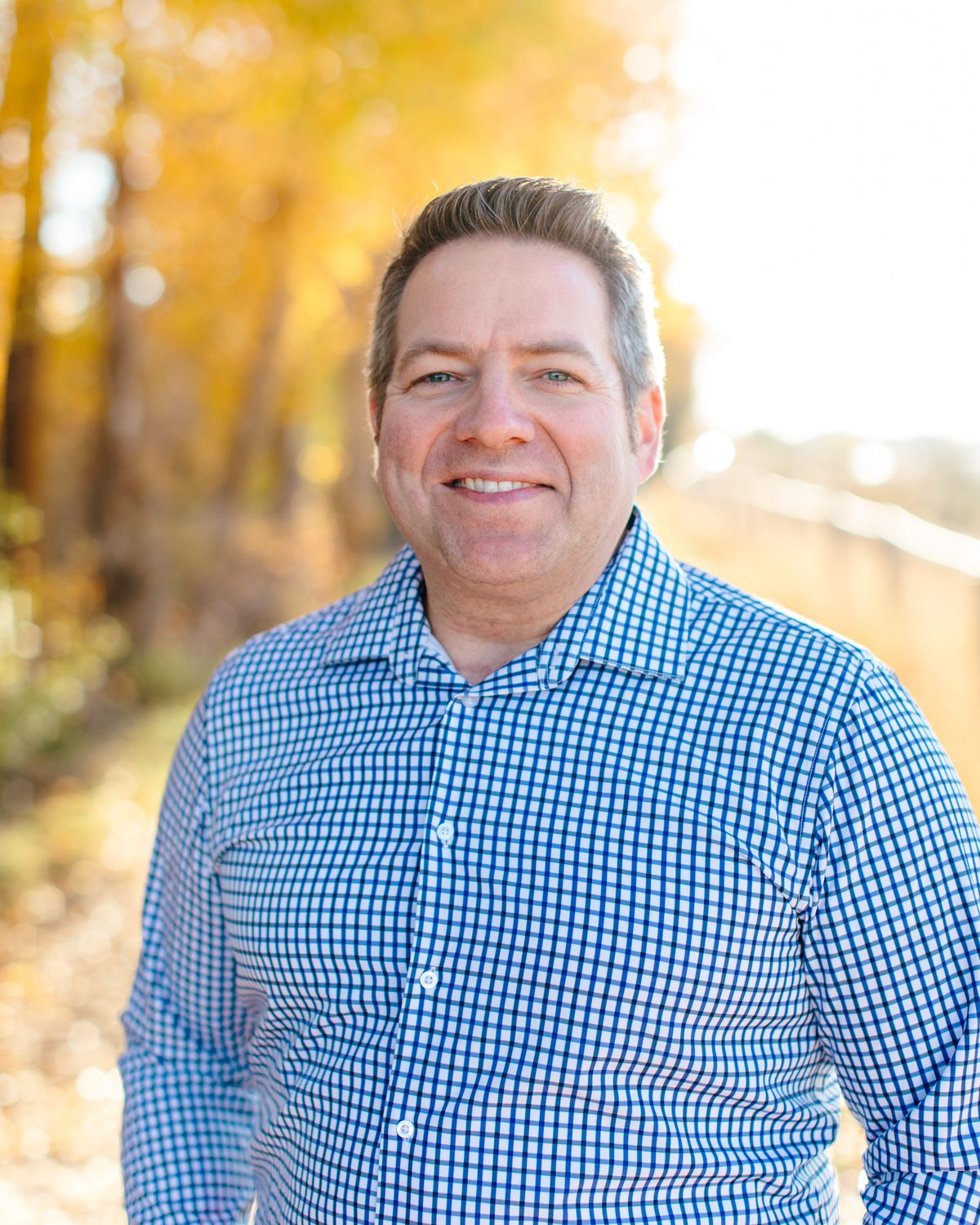 Adam BostromCreative Strategist
4 min read
This week I finished building the website you're reading right now.
Somewhere along the way, I realized something. I was so focused on getting to the finished product that I almost skipped over the most valuable part: everything I was learning along the way.
The problems I had to solve. The things I tried that didn't work. The moments when something finally clicked.
I didn't want those lessons to disappear just because the project was finished.
That's what this space is for.
Why "Field Notes"
Field notes are written in the field, in the middle of the work.
A geologist sketches a rock formation before fully understanding it. A naturalist records what they observe before knowing exactly what it means. They don't wait until the expedition is over, every question is answered, and everything makes sense.
I like that idea.
Most of what we read about leadership, creativity, and building things comes after the fact. It's polished, organized, and told from the perspective of someone who already knows how everything turned out.
There's value in those stories. But I think there's just as much value in the messy middle.
Some people call this learning in public. I just call it being honest about how the work actually happens.
The decisions that didn't work. The unexpected problems. The lessons that came from getting something wrong. Sometimes the most useful insight isn't found in the finished product. It's found in the process of getting there.
I'd rather share some of that along the way.
What I'll Write About
My work and interests span a few different areas that might not seem connected at first.
I lead marketing for 17 print and sign locations across four states, along with the in-house creative team that supports them. I teach graphic design to students working toward their own creative careers. Outside of that, I'm building a few things of my own, including Layerwright, a 3D printing business, Layerwright OS, the software behind it, and Ward Hub, an app that helps organize some of the work in my church congregation.
On the surface, these are pretty different things.
But the more I do, the more I recognize the same patterns running through all of them.
Seeing an opportunity. Asking whether there's a better way. Building something to solve a problem. And, perhaps most importantly, helping other people develop the confidence and skills to do the same.
That's what will shape these notes.
Some will be about building people: developing designers, mentoring students, leading teams, and creating opportunities for others to discover what they're capable of.
Some will be about seeing and building: recognizing opportunities others might walk past and turning ideas into something useful.
Others will explore technology and AI, the print and marketing industry, 3D printing, and the things I build along the way.
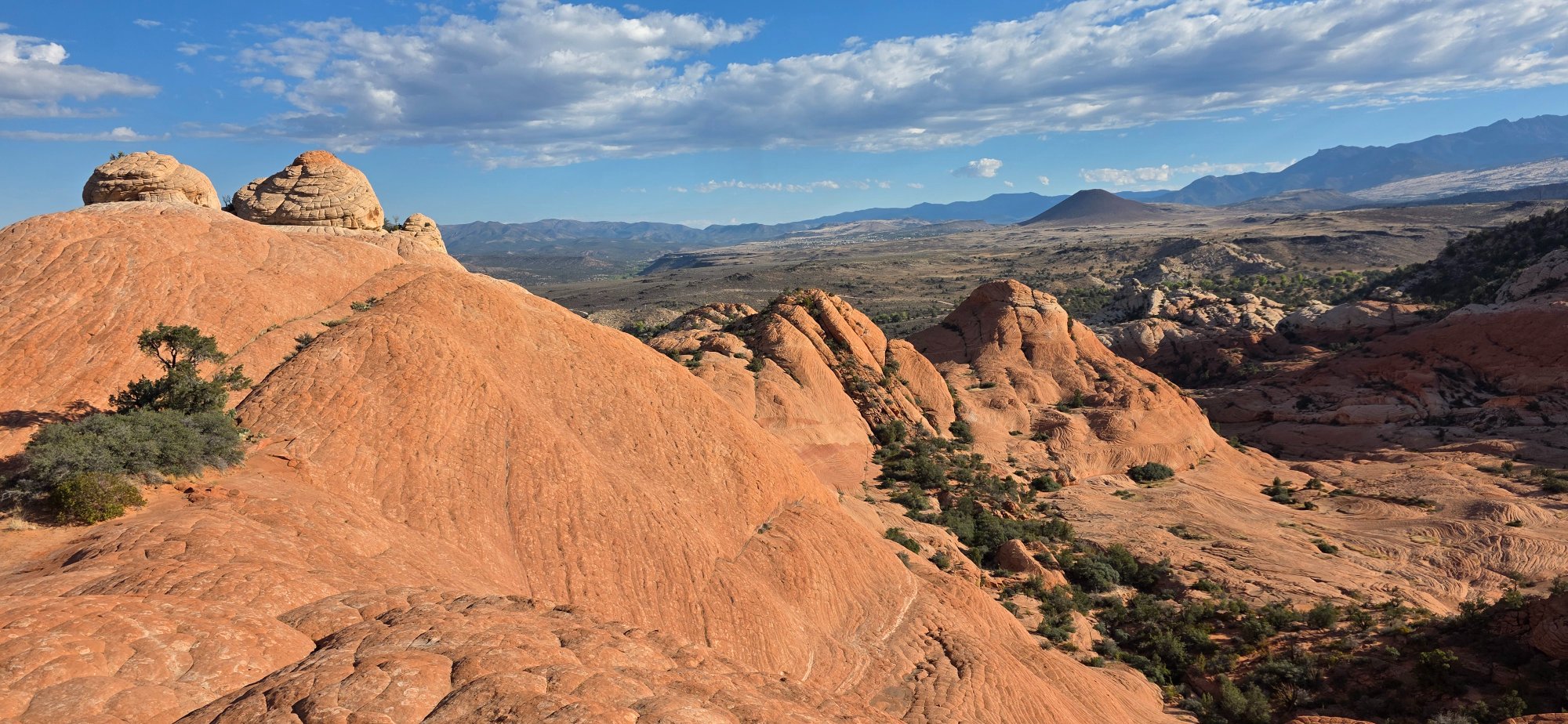
And some will have very little to do with work at all. Family, faith, the outdoors, and the experiences that remind me why any of this matters.
A Few Things I Believe
There are a few ideas that tend to influence how I approach almost everything.
Everyone has creative potential.
You don't need a creative title to think creatively. Some of the best ideas I've seen have come from people who would never describe themselves as creative.
I think part of leadership is recognizing that potential in others and giving people the confidence, tools, and room to use it.
The right structure creates more room for creativity.
Structure and creativity are often treated as opposites. I see them differently. A good process, a well-built system, or the right tool can remove obstacles and give people more freedom to focus on what they do best.
We shouldn't be afraid to question the familiar.
"This is the way we've always done it" might be one of the most expensive sentences in business.
Not because the old way is always wrong, but because nobody stopped to check.
And with the tools available to us today, particularly AI, there's never been a better time to ask what might be possible if we approached a problem differently.
I believe technology can help us do more, but judgment, empathy, and meaning still have to come from people.
These aren't necessarily conclusions I've reached about everything. They're starting points. Some of my thinking will probably evolve as I continue to learn.
That's part of the point.
What to Expect
I'll publish a new Field Note every other week.
Some will be short observations. Others will be stories, lessons from leadership and teaching, or build logs from projects I'm still figuring out.
I won't always have a tidy conclusion. Sometimes I'll share what worked. Sometimes I'll share what didn't. And sometimes I'll simply share a question I'm still trying to answer.
My hope is that something along the way might help you see a problem differently, try something new, or recognize a little more potential in yourself or someone around you.
If you'd like new notes in your inbox, you can subscribe to Field Notes.
And if something here sparks an idea, or you see things differently, I'd genuinely like to hear about it. You can always reach out through the contact page.
I'm not entirely sure where all these notes will lead.
But that's okay. The best things I've built rarely started with knowing exactly how they would turn out.
Let's see what's possible.
Adam